Introduction
Kidney function tests are simple checks that show how well your kidneys work. These tests are important because your kidneys help keep your body healthy. Early detection of kidney disease can prevent serious health problems. In fact, knowing the importance of kidney function tests can help you take better care of your health.
What Are Kidney Function Tests?
Kidney function tests are blood and urine tests. They measure how well your kidneys filter waste and balance fluids. For example, doctors often check levels of creatinine and blood urea nitrogen (BUN). These tests also look for protein or blood in your urine. The main purpose is to spot any kidney problems early.
Why Are Kidney Function Tests Important?
Your kidneys remove waste and extra water from your blood. They also help control blood pressure and keep your body’s minerals balanced. However, kidney problems often develop slowly and may not show symptoms at first. Because of this, kidney function tests are important for early detection of kidney disease. Early treatment can stop further damage and improve your health. According to the CDC, chronic kidney disease affects millions but often goes undetected. So, regular testing can protect your overall well-being.
Common Symptoms Indicating the Need for Testing
Sometimes, your body gives warning signs that your kidneys may not be working well. If you notice any of these symptoms, you should consider getting tested:
Additionally, people with diabetes, high blood pressure, or a family history of kidney disease should get tested regularly.
How Kidney Function Tests Are Performed
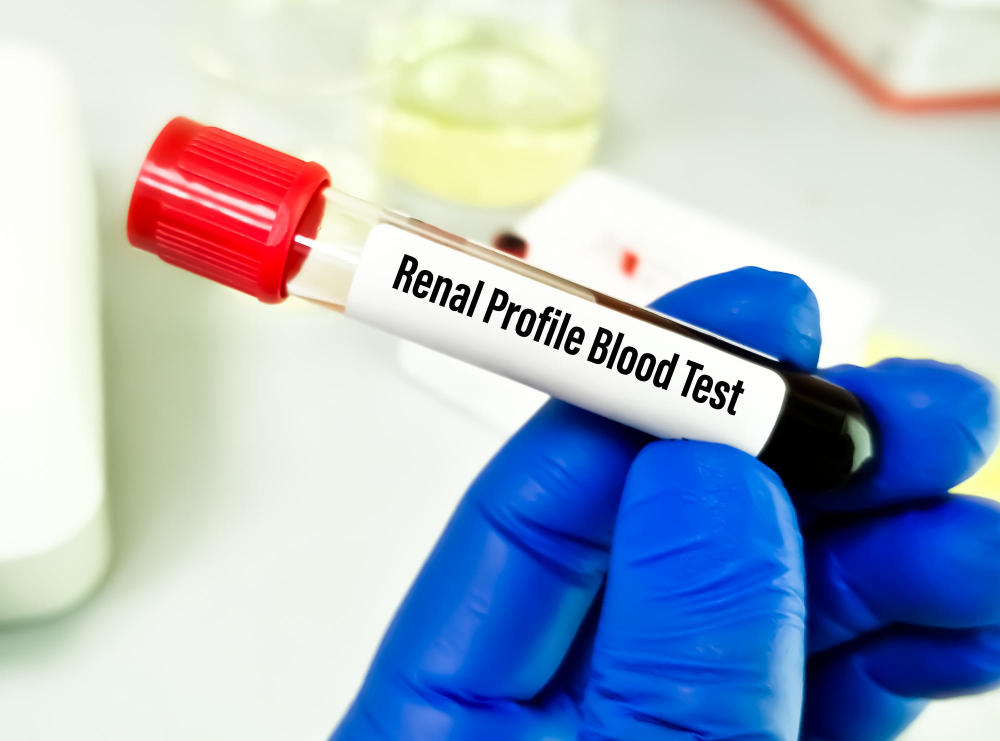
Kidney function tests are quick and simple. Usually, a healthcare worker takes a small blood sample from your arm. Sometimes, you may also need to give a urine sample. The samples are sent to a lab for testing. Results are usually ready in a few days. Because the process is easy, you can check kidney health without much trouble.
Understanding Test Results
Test results show how well your kidneys are working. For example, high creatinine or BUN levels may mean your kidneys are not filtering waste well. If your urine has protein or blood, it could signal kidney damage. However, only a doctor can explain what your results mean for your health. Sometimes, more tests are needed to find the cause of abnormal results.
Prevention and Lifestyle Tips
There are many ways to keep your kidneys healthy. Here are some simple tips:
By following these tips, you can lower your risk of kidney disease and keep your kidneys working well.
When to Consult a Doctor
If you have any symptoms or risk factors, you should talk to your doctor. Early testing can help catch problems before they get worse. Even if you feel fine, regular check-ups are important, especially if you have diabetes or high blood pressure. Remember, only a healthcare professional can give you the right advice for your kidney health.
In summary, kidney function tests are crucial for your health. They help with early detection of kidney disease and guide you in taking care of your body. Consult Dr. Roy John for personalized advice on kidney health.