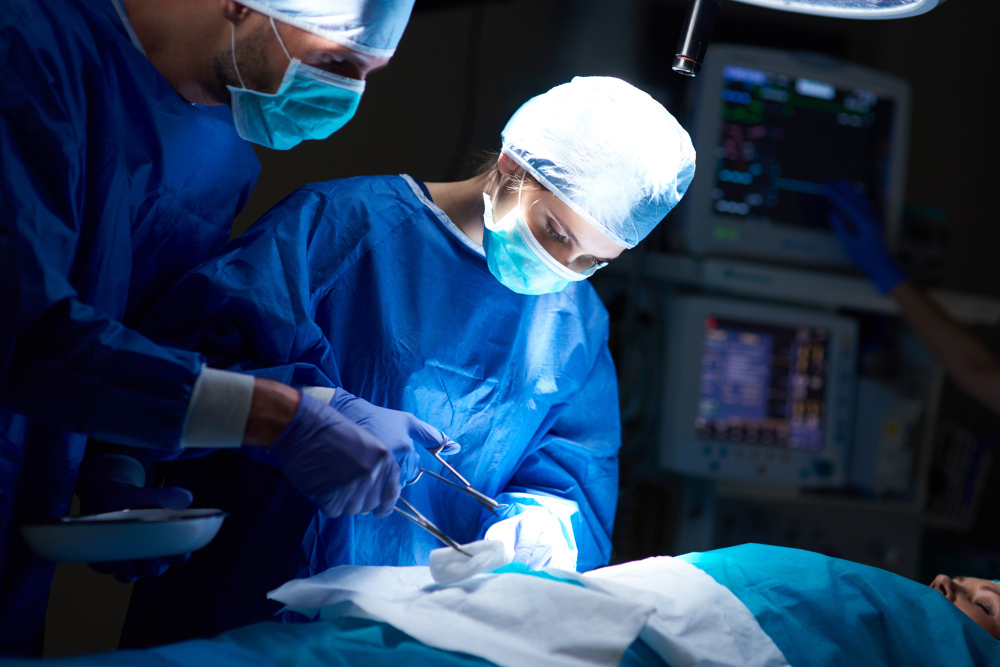
What is TURP?
TURP stands for Transurethral Resection of the Prostate. It is a common surgery for men with prostate problems. During TURP, doctors remove part of the prostate gland. This helps improve urine flow. Many men need TURP when their prostate grows too large. This condition is called benign prostatic hyperplasia (BPH). TURP is a well-known and safe procedure. Doctors have used it for many years. According to the World Health Organization, TURP is one of the most effective treatments for BPH.
Why is TURP Performed?
Doctors perform TURP to treat symptoms caused by an enlarged prostate. When the prostate grows, it can press on the urethra. This makes it hard to pass urine. Common symptoms include:
Sometimes, men may also have urinary tract infections or bladder stones. If medicines do not help, doctors may suggest the TURP procedure. In some cases, TURP is needed if a man cannot urinate at all.
How is TURP Done?
The TURP procedure is done in a hospital. Usually, you will get anesthesia so you do not feel pain. Here is how the procedure works:
The TURP procedure usually takes about one hour. Most patients stay in the hospital for one to two days. However, recovery time can vary for each person.
Benefits of TURP
TURP offers many benefits for men with prostate problems. For example, it can:
In addition, most men notice relief from symptoms soon after surgery. The results of TURP can last for many years. Because of these benefits, TURP is often called the gold standard for treating BPH.
Risks and Possible Complications
Like any surgery, TURP has some risks. However, most problems are rare. Possible complications include:
Doctors take steps to lower these risks. Still, it is important to talk with your doctor about TURP risks before surgery. The Centers for Disease Control and Prevention (CDC) recommends discussing all possible side effects.
Recovery and Aftercare
After TURP, most men recover quickly. Even so, you may need to stay in the hospital for a day or two. The catheter is usually removed within a few days. During TURP recovery time, you may notice:
These symptoms usually get better within a few weeks. To help your recovery:
Most men return to normal activities in two to four weeks. However, full healing may take a bit longer for some people.
Frequently Asked Questions About TURP
Conclusion
TURP (Transurethral Resection of the Prostate) is a safe and effective procedure for treating prostate problems, improving urine flow, and enhancing your quality of life. However, each individual’s needs are unique.
Consult Dr. Roy John, a trusted urologist, for personalised advice on TURP and to discuss the best approach for your prostate health.
Ensure the best care for your prostate—schedule your consultation today.