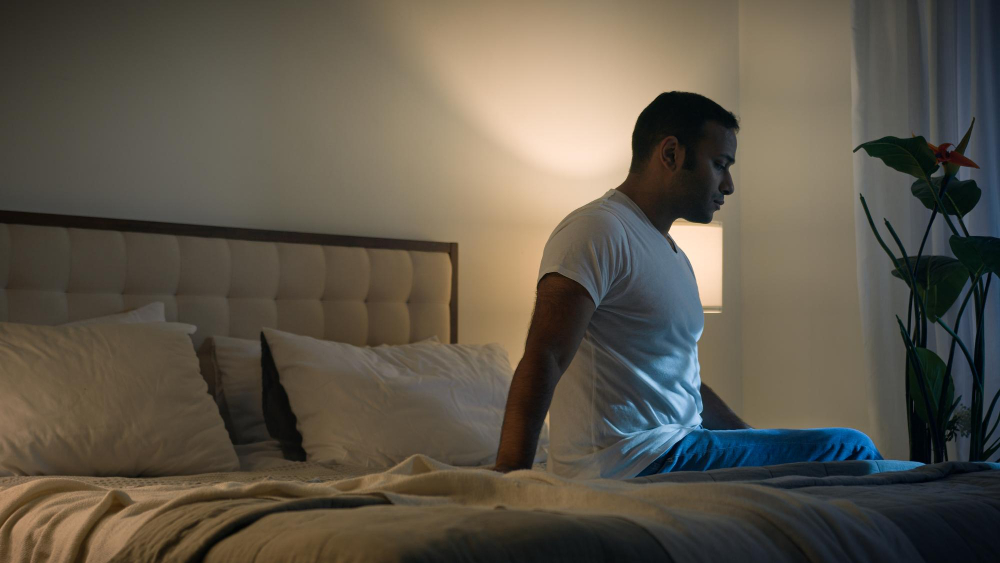
What Is Nocturia?
Nocturia means waking up at night to urinate. Many people experience this, but it can disturb your sleep. While it is common to wake up once in a while, frequent trips to the bathroom at night may signal a health issue. Nocturia can affect your energy, mood, and daily life. For some, it may even lead to falls or injuries at night. Understanding nocturia is the first step to finding relief.
Common Symptoms of Nocturia
Nocturia has a few clear signs. If you notice these symptoms, you may want to talk to your doctor:
Sometimes, you may also feel thirsty or notice swelling in your legs. However, not everyone with nocturia has these extra symptoms.
Causes: Why Do You Wake Up to Urinate?
There are many reasons for nighttime urination. Some are simple, while others may need medical care. Here are some common causes:
In some cases, stress or anxiety can also play a role. Because many factors can cause nocturia, it is important to find the exact reason.
How Is Nocturia Diagnosed?
Doctors use a few steps to diagnose nocturia. First, they will ask about your symptoms and health history. Next, they may suggest you keep a diary of your bathroom visits and fluid intake. Sometimes, urine or blood tests help rule out infections or other problems. In some cases, your doctor may check your bladder or kidneys with special tests. Early diagnosis can help you get the right treatment.
Treatment Options for Nocturia
Treatment depends on the cause of your nocturia. Some people may only need simple changes, while others need medicine. Here are some common treatments:
For some, treating sleep problems or adjusting medications can help. Your doctor will suggest the best plan for you.
Lifestyle Tips to Manage Nocturia
Simple lifestyle changes can make a big difference. Try these tips to reduce nighttime urination:
Also, keeping a sleep schedule can help your body adjust. If these tips do not help, talk to your doctor for more advice.
Prevention: How to Reduce Nighttime Urination
While you may not prevent all cases of nocturia, you can lower your risk. Here are some ways to help:
By taking care of your health, you may reduce the chances of waking up at night to urinate.
If you often wake up at night to urinate, do not ignore it. Consult Dr. Roy John for advice that fits your needs. His expert care can help identify the cause and provide the best treatment options for your condition.